Making paediatric procedures calm and predictable
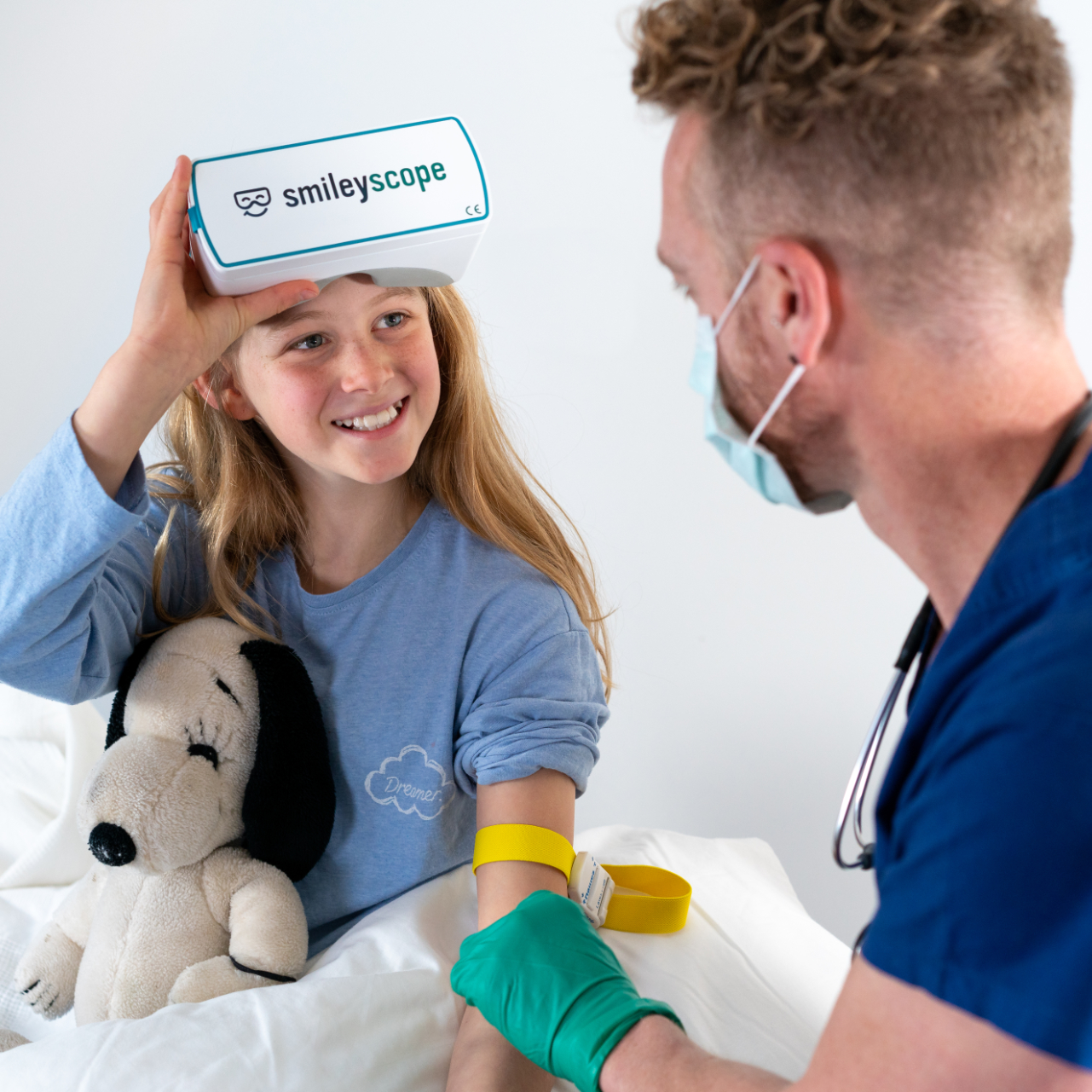
Smileyscope transforms stressful procedures for children into positive experiences with the confidence of more than 400,000+ procedures.
With up to 60% less pain, up to 40% less anxiety and 50% fewer restraints in children[1], healthcare teams achieve better clinical outcomes whilst keeping families reassured and your schedule on track.
[1] Chan E et al, J Peds, 2019
Trusted by leading healthcare organisations around the world

.svg)






Evidence-based pain and anxiety reduction that is trusted globally
The largest randomised controlled trial for VR in procedural care demonstrates that Smileyscope delivers up to 60% less pain and 40% less anxiety without additional drugs, with 95% of clinicians reporting more straightforward procedures[1].
Smileyscope is recommended in the INS Infusion Therapy Standards[2] for pain management, and cited in UpToDate as a potential sedation-sparing option for children's procedures[3].
[1] Chan E et al, J Peds, 2019, [2] Gorski L et al, J Inf Nsg, 2021, [3] UpToDate Procedural Sedation in Children: Approach, 2025.
Transform chaotic procedures into predictable, smooth workflows
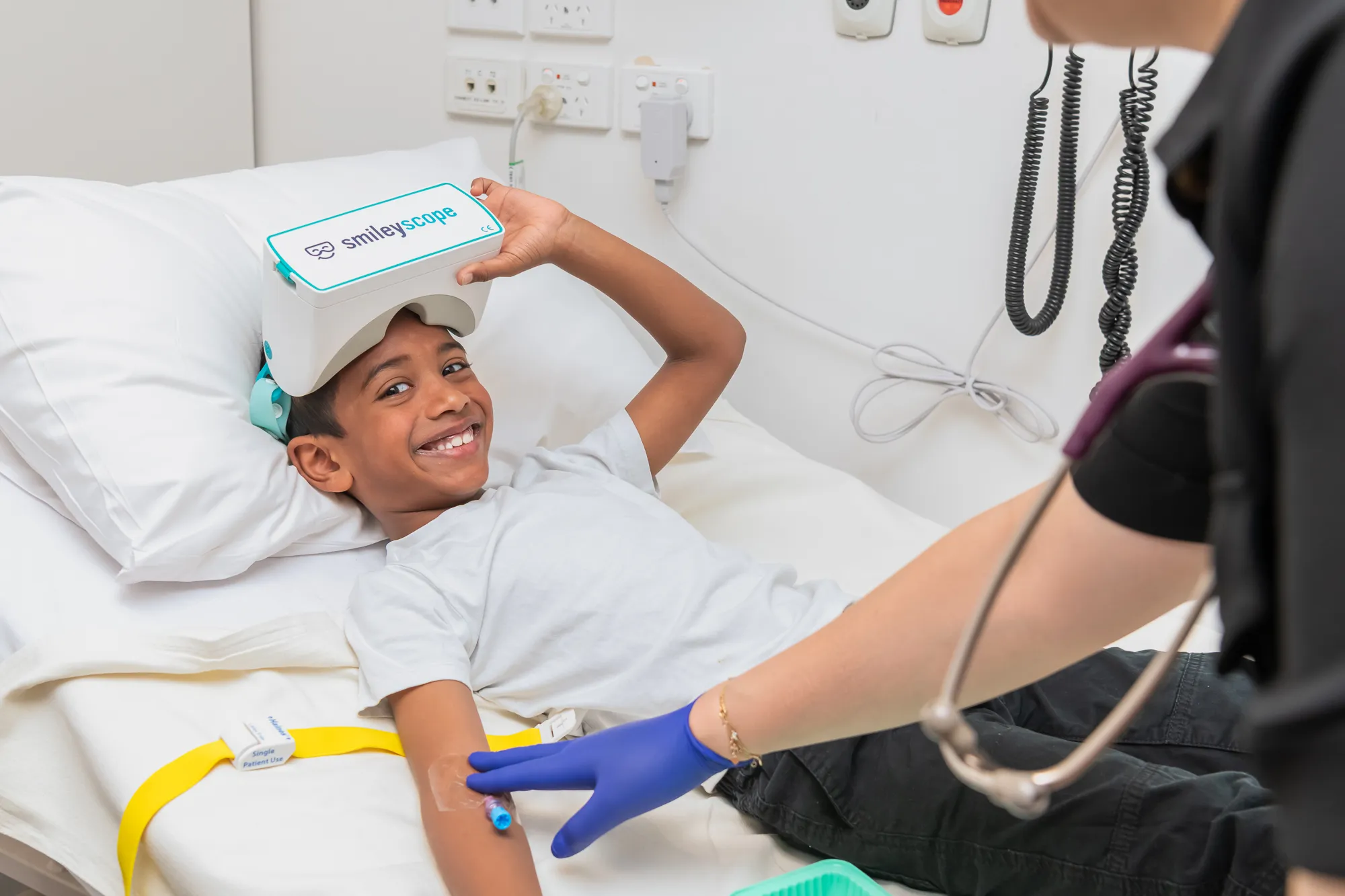
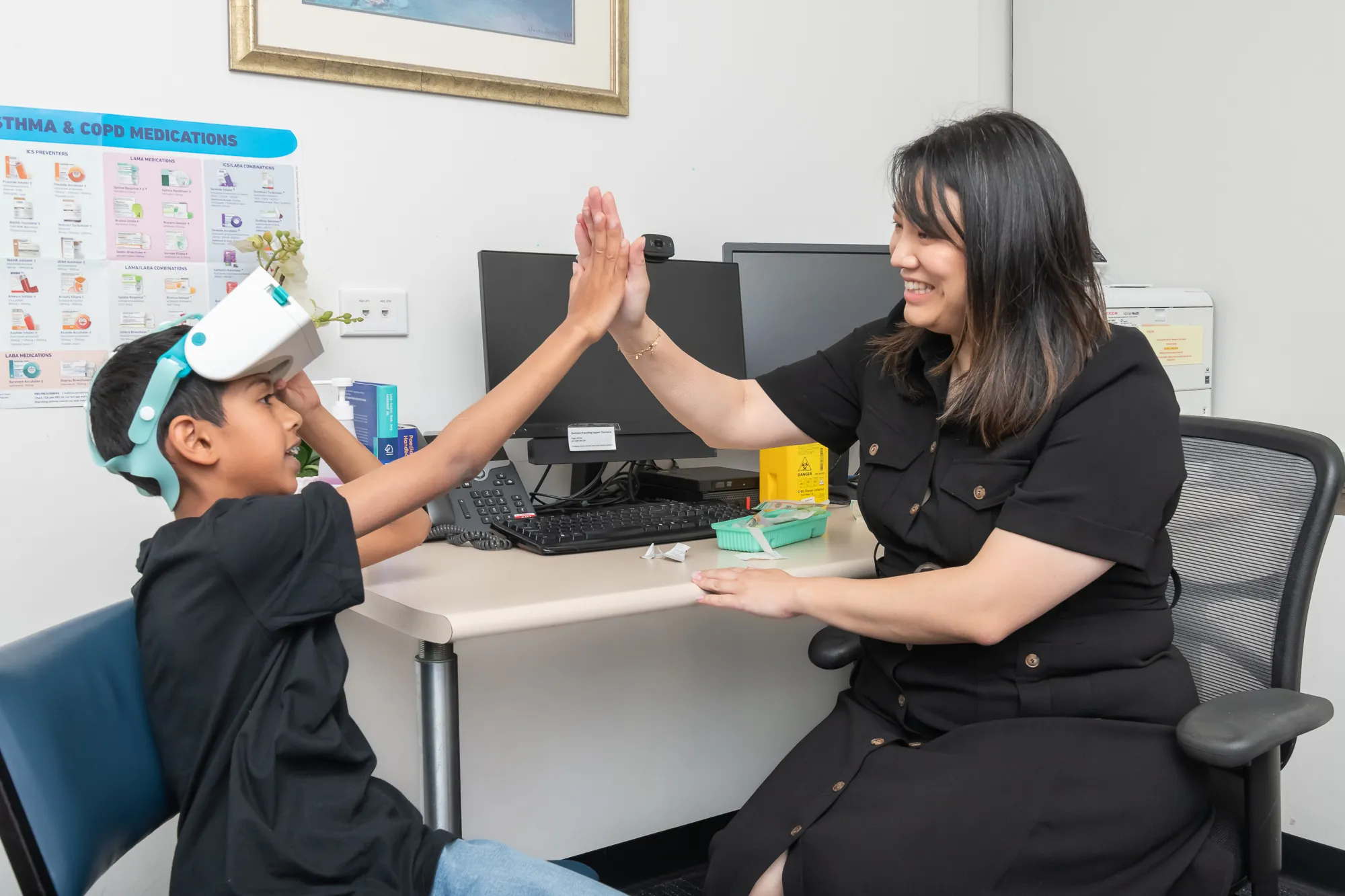
Smileyscope promotes a calming environment to encourage children to stay still throughout procedures, drastically cutting the need for restraints, additional staff support, or last-minute sedation.
Faster procedures, greater throughput, outstanding care quality
Eliminate sedation and associated recovery time for over 90% of MRIs[1]. Reduce procedure times with calmer children. More successful first attempts, reduced rebookings and fewer additional staff. Less medication in 35%. Increase patient throughput whilst achieving higher procedural success rates[2].
[1] Johnson B et al, Hosp Peds 2025, [2] Johnson B et al, Hosp Peds 2025
"Innovation meets clinical practice and delivers better patient outcomes and experience. We love partnering with our frontline clinicians and Smileyscope to bring this to life. We have heard so many stories about how this transformed the family's experience”

Dr Sandip Kumar
Benefits across every department
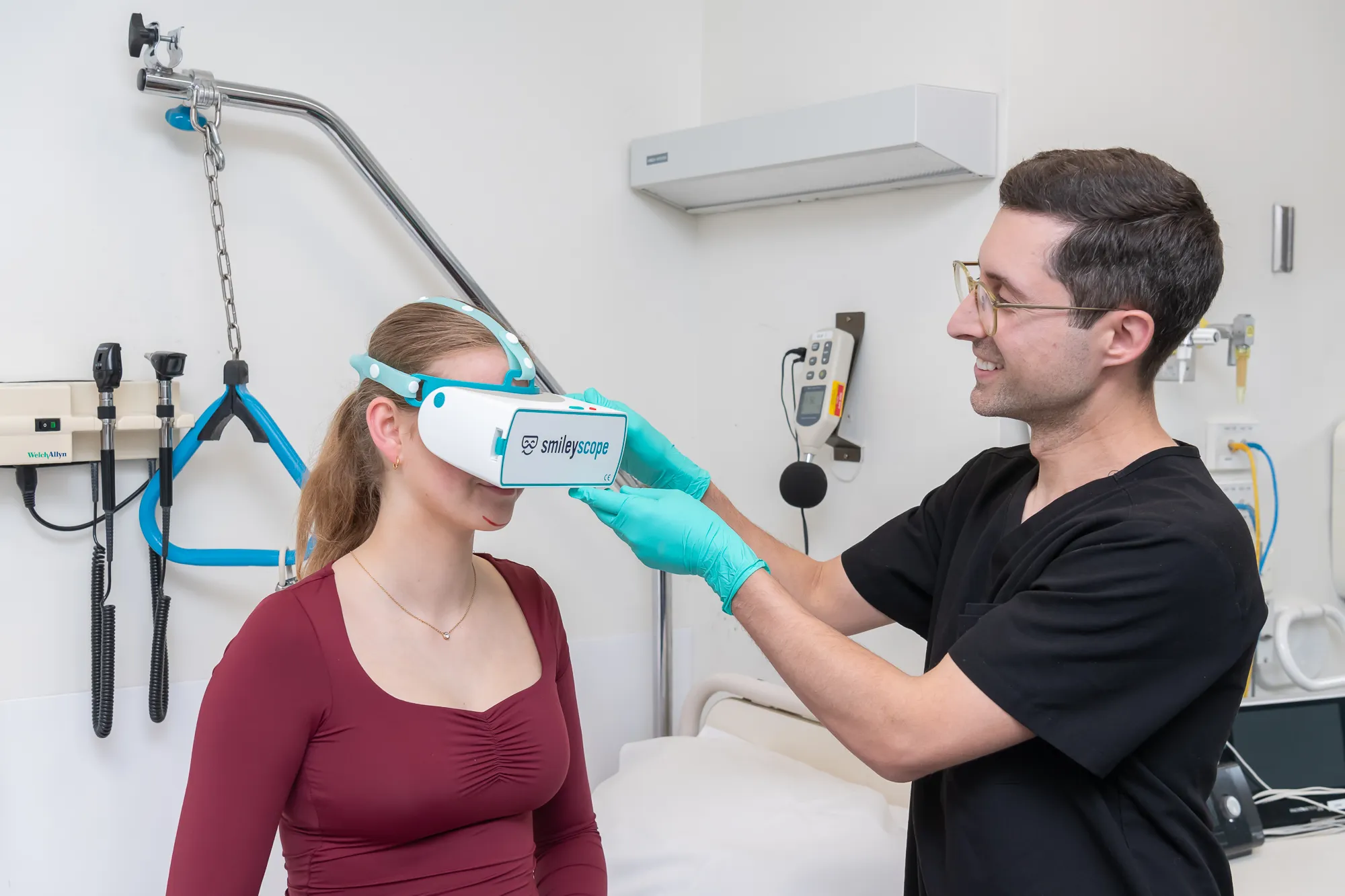
Custom-designed hardware engineered specifically for healthcare workflows with antimicrobial materials, intuitive controls, and rapid patient turnover.
Emergency and Urgent Care
Smileyscope enables faster, calmer procedures in high-throughput emergency departments by reducing pain, anxiety, and restraint.
Nicklaus Children’s Hospital
Smileyscope is used in a high-volume paediatric emergency setting to improve patient experience during IV cannulation and IV therapy.
Emergency departments manage high volumes of painful procedures under time pressure, where distress can lead to restraint, prolonged encounters, and staff burnout.
“They were really helpful in meeting our primary outcome which was to reduce stress and anxiety for our kids. We found that they needed to use less sedation. Families and the children would calm immediately when exposed to these technologies.”
- Dr David Seo, Senior Vice-President and Chief Information Officer of Nicklaus Children’s Hospital, Miami Florida USA
“You’re able to synchronize it to invasive procedures which is a great advantage for us”
- Diana Gomez, Nurse Manager, Nicklaus Children’s Emergency Department
Perth Children’s Hospital
Smileyscope is routinely used in the Emergency Department to reduce distress and make common procedures faster and calmer.
Smileyscope’s pivotal randomised controlled trial in the Emergency Department and phlebotomy clinics (n=252, ages 4–11), showed Smileyscope was superior to a high quality distraction bundle for pain, anxiety, distress, and restraint.
Chan E, Hovenden M, Ramage E, Ling N, Pham JH, Rahim A, et al. Virtual reality for pediatric needle procedural pain: Two randomized clinical trials. The Journal of Pediatrics. 2019;209:160–167.
Flinders Medical Centre
Smileyscope supports smoother fracture care by reducing anxiety and improving cooperation.
https://pubmed.ncbi.nlm.nih.gov/31047650
General Paediatric Medicine
Smileyscope is used to positively transform common procedures in general medicine, including blood draws, intravenous cannulation, lumbar punctures and dressings by reducing anxiety, improving patient cooperation and making care more efficient.
See the published article showing routine use of Smileyscope across a broad range of paediatric services oncology, immunology, diabetes, induction of general anaesthesia) showing high acceptability and helpful coping with medical procedures.
Samnakay S, Bell E, Evans D, Sommerfield D, Sommerfield A, Hauser N, et al. Assessing the use and acceptability of virtual reality to assist coping in children undergoing clinical procedures. Specialist Pediatric Nursing. 2025;30(1):e70002
https://pubmed.ncbi.nlm.nih.gov/39722555
See it at work in a general paediatrics ward:
https://about.hse.ie/news/virtual-reality-goggles-supporting-children-at-university-hospital-galway/
Cancer - Oncology
Smileyscope enables needle-phobic oncology patients to tolerate essential, life-saving treatments by reducing anxiety and procedural distress.
Patients undergoing cancer treatment often require frequent, invasive procedures such as port access, chemotherapy, and blood tests. Severe needle phobia can result in treatment refusal, delays, or the need for sedation, directly impacting outcomes and continuity of care.
Rush Medical Center
Implemented Smileyscope which made a transformational difference to a severely needle-phobic patient to tolerate essential chemotherapy after previously refusing life-saving cancer treatment.
Cystic Fibrosis
Smileyscope helps patients with chronic conditions like cystic fibrosis tolerate frequent procedures while building positive coping skills that support long-term health engagement.
Smileyscope can make medical procedures much more tolerable and enable positive coping skills in patients with chronic conditions, making a lasting positive impact.
Smileyscope helped a child with cystic fibrosis better tolerate repeated medical procedures, supporting positive coping during long-term treatment. Watch this video about 12-year-old Kai with Cystic Fibrosis, who was involved in Smileyscope’s first pivotal randomized controlled trial:
Endocrinology/Diabetes
Smileyscope reduces distress associated with frequent needle procedures, supporting adherence and better glycemic control in children with diabetes.
Children with Type 1 diabetes endure thousands of needle procedures annually. High rates of needle phobia can lead to non-compliance, poor glycaemic control, and life-threatening complications.
Observational study across multiple paediatric specialties, including for diabetes, showed Smileyscope was highly acceptable and supported effective coping during procedures.
Samnakay S, Bell E, Evans D, Sommerfield D, Sommerfield A, Hauser N, et al. Assessing the use and acceptability of virtual reality to assist coping in children undergoing clinical procedures. Specialist Pediatric Nursing. 2025;30(1):e70002
Gastroenterology
Patients have found benefit from Smileyscope during common GI procedures such as nasogastric insertion, PEG/PEJ changes and stoma care.
Sunshine Coast University Hospital
Smileyscope is used to support common anxiety-provoking GI procedures such as nasogastric insertion.
Vascular Access
Smileyscope is uniquely recommended in the Infusion Therapy Guidelines to reduce pain and anxiety during paediatric vascular access procedures.
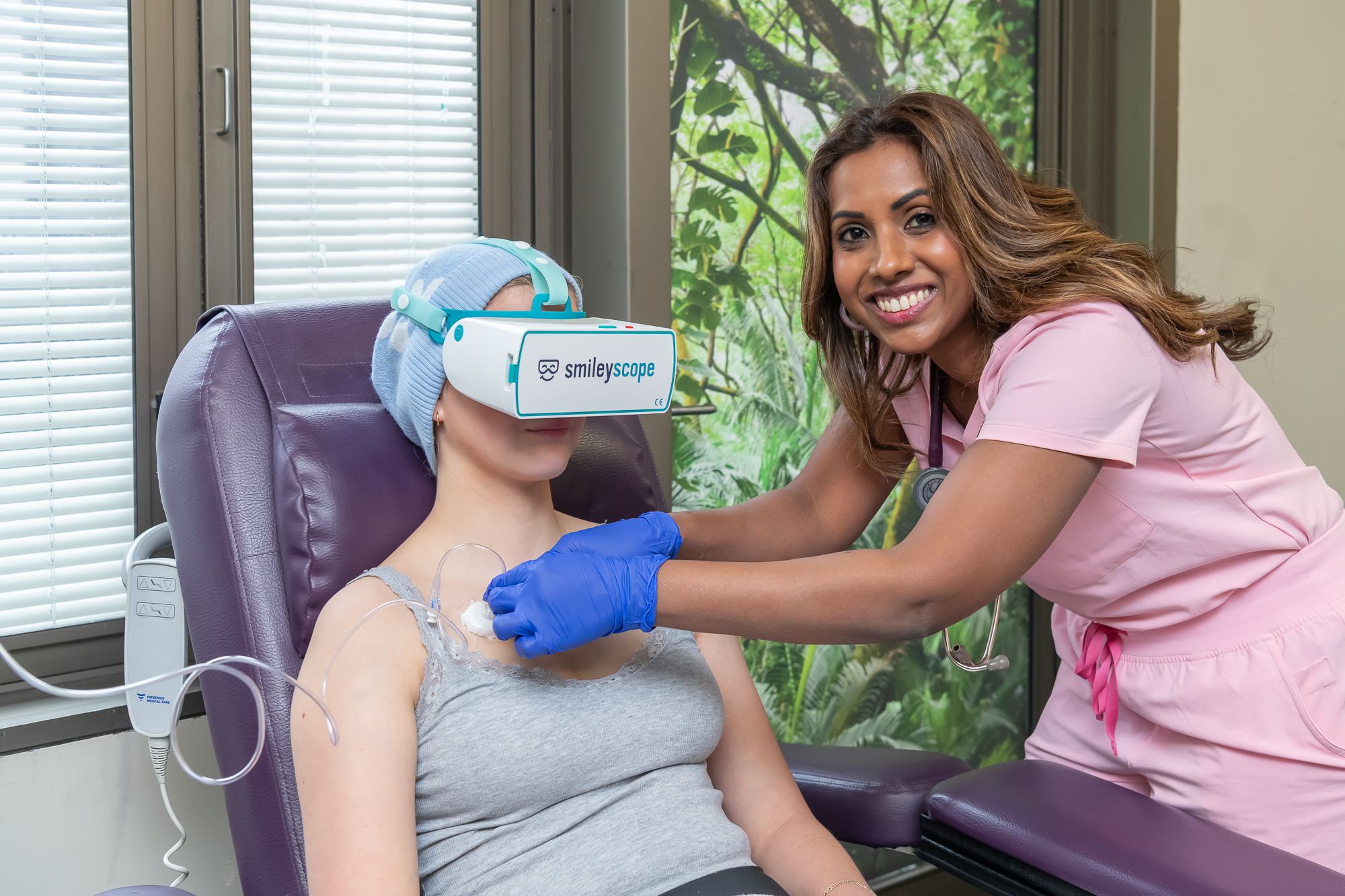
Many vascular access teams use Smileyscope with both paedatric and adult patients for IV cannulation, mid-lines and PICC lines, especially with patients with Difficult Intravenous Access (DIVA) and minimise multiple attempts.
Gorski LA, Hadaway L, Hagle ME, Broadhurst D, Clare S, Kleidon T, et al. Infusion Therapy Standards of Practice, 8th Edition. Journal of Infusion Nursing. 2021;44(1S):S1–S224.
https://doi.org/10.1097/NAN.0000000000000396
Oxford University Hospital NHS Foundation Trust/Thinking of Oscar
Smileyscope is used during paediatric IV cannulation to reduce fear, pain and distress, enabling children to stay calm and still. This results in faster blood draws and IV management, fewer repeat attempts, and a smoother experience for patients, families and staff.
Burns Care
Smileyscope supports multimodal pain and anxiety management during burn dressing changes, improving patient comfort and procedural tolerance.
Burn dressing changes are repeatedly painful and distressing, leading to anxiety, poor cooperation, and reliance on pharmacological analgesia or sedation. Maintaining patient comfort while enabling effective wound care is a persistent clinical challenge.
Queensland Children’s Hospital
Smileyscope was used alongside standard pain management during burn dressing changes, helping children remain calmer and better tolerate painful procedures. https://anmj.org.au/virtual-reality-as-part-of-paediatric-burns-pain-management/ Watch the video: link
Their study showed that patients, carers, and clinicians rated Smileyscope highly acceptable and usable during burn dressing changes, supporting its integration into routine care.
Storey K, Dimanopoulos TA, Plummer K, Kimble R, Xiang H, Griffin B. Acceptability and usability of Smileyscope virtual reality for paediatric pain management during burn procedures: Perspectives of patients, carers and clinicians. Journal of Advanced Nursing. 2025;81(3):1568–1582.
Orthopaedics
Smileyscope is commonly used to reduce pain and anxiety during orthopaedic procedures such as fracture manipulations, cast application/removal, k-wire removals and dressings changes.
Dr. Matthew Harris, MD, MBA, FAAOS
Smileyscope enabled a previously abandoned orthopaedic procedure to be completed quickly and calmly after initial distress. This 12-year-old athlete, nearly fainted during a k-wire extraction. The procedure had to be abandoned at first attempt. With Smileyscope VR-assistance, the removal was done in less than 90 seconds.
Surgery/Anaesthetics
Smileyscope is used before surgery and during anaesthetic induction to reduce anxiety, support smoother IV access, gas induction, and promote calmer recoveries.
Nicklaus Children’s Hospital
“We find that when children are calm, we are able to do safer IV inductions, and when they ‘go to sleep peacefully’ they are more likely to recover better” – Anaesthetist
Urban N. Reducing preoperative anxiety in pediatric patients with VR. Poster presented 2024. University of Miami / Nicklaus Children’s Health System
Medical Imaging
Smileyscope dramatically reduces sedation and general anaesthetic use for paediatric MRI by preparing and calming patients before MRI procedures. It is also used during CT scans, and in x-ray, ultrasound and interventional radiology procedures to improve patient experience and enable efficient workflows.
Paediatric MRI commonly are performed under sedation, increasing risk, cost, waitlists, and resource burden.
Monash Children’s Hospital
Smileyscope enabled most children to complete MRI scans awake, dramatically reducing the need for sedation or general anaesthesia.
“With Smileyscope Virtual Reality, we’ve made many IV cannulas fun, interactive and pain-free, reducing the need for general anaesthetic (GA). Then with Smileyscope’s MRI simulation, we’ve seen most of our patients transform from needing a GA for every scan to confidently completing MRIs awake, without any GA at all. This leads to remarkable time and cost savings, shorter waitlists and improved patient safety.” Jeff Chen, MRI Supervisor, Monash Children’s Hospital, Melbourne Australia
See their published academic paper showing VR can avoid sedation for brain MRI in >90% of patients. Johnson BP, Garrick A, Lawrence KA, Papafotiou J, Young T, Chen J, et al. Enhancing pediatric magnetic resonance imaging preparation: A qualitative study of current practices and the role of virtual reality tools. Hospital Pediatrics. 2025;15(1):57–65.
https://doi.org/10.1542/hpeds.2023-007657
Oxford University Hospital NHS Foundation Trust / Thinking of Oscar
Smileyscope is used to simulate and prepare children for MRI scans, helping make the experience faster, easier and less frightening. By familiarising children with the sights and sounds of MRI in advance, more patients are able to complete scans awake, reducing the need for sedation or general anaesthesia while improving safety, efficiency and the overall patient experience.
Behavioural and Developmental Health
Smileyscope enables calmer, safer care for patients with Autism Spectrum Disorders (ASD) and developmental conditions by reducing distress, escalation, and the need for restraint or sedation.
Patients with autism spectrum disorder (ASD) and other developmental conditions often experience extreme distress in healthcare environments, with higher rates of pain, behavioural escalation, code greys, restraint, and sedation. Sensory sensitivities and communication barriers can make routine procedures traumatic, frequently resulting in failed attempts and referral to tertiary centres for care under sedation.
Royal North Shore Hospital
Smileyscope enabled a non-verbal child with severe autism and needle phobia to receive vaccinations calmly, avoiding physical restraint that had previously required multiple staff.
“Smileyscope completely distracts and relaxes him. I can’t believe how well the Smileyscope works for him… The whole experience has been beautiful”
– Danijela, mother of a 16-year-old with non-verbal autism
Barwon Health
Smileyscope helped a needle-phobic teenager with ASD successfully complete her regular medical procedures for Rheumatoid Arthritis without sedation after previous failed attempts.
Children with developmental disability and autism spectrum disorder often ultilise sedation services for common procedures. In this pilot study performed at a leading tertiary referral centre, 50% of their patients referred in for vaccines under sedation had developmental disability and ASD.
94% of patients reported a better experience, 30% required less sedation, and 62% of clinicians reported easier procedures, demonstrating high VR tolerability even in children with sensory processing challenges
Makhijani A, Jenkins N, Kaufman J, Hoq M, Priestley S, Elia S, et al. Virtual reality for routine immunisations in needle phobic children with and without developmental disabilities: A pilot study. Vaccine. 2024;42(26):126481
https://doi.org/10.1016/j.vaccine.2024.126481
Concierge Care
Smileyscope enhances premium, patient-centred care by creating calm, positive procedural experiences without slowing clinical workflow.
Concierge and private practices perform frequent immunisations, infusions, and minor procedures but have limited tools to manage anxiety beyond basic distraction or restraint, particularly for children and neurodivergent patients.
Dr. Aviel Lemus, founder of Miami Concierge Pediatrics, shows how Smileyscope integrates seamlessly into high-end primary care to improve patient experience and efficiency.
General Practice/Family Medicine
Smileyscope is being used to positively transform vaccinations, infusions and common minor procedures in busy general practices by reducing anxiety, improving patient cooperation and making care more efficient.
“Smileyscope has quickly become a valued tool across our whole team. It has been used by our pathology providers, nurses giving vaccines, GPs performing procedures, and even with adult patients who experience anxiety or panic attacks.
It’s more than just a distraction tool. It helps patients breathe slower, feel more in control, and stay grounded. We’ve had children wear the headset from the moment they walk in until an hour later at the end of their infusion. This is a testament to how engaging and helpful it really is.
Smileyscope has added another layer of care to what we offer. It’s improved not only patient comfort but also procedural efficiency.”
– Dr. Andrew Leech, General Practitioner and Founder/Director of The Garden Family Medical Clinic, a leading multidisciplinary practice in Perth known for its modern, patient-centred approach to healthcare.
Vaccinations
Smileyscope supports positive vaccination experiences while maintaining clinic efficiency, helping improve uptake, equity, and long-term engagement with preventative healthcare.
Vaccinations are usually the most common childhood memory of healthcare, and an important public health intervention.
Being able to make these first memories positive ones, without slowing down a busy clinic is critically important in a wide range of settings:
Children’s Hospital of Orange County
Smileyscope enabled over 100 children to be vaccinated efficiently in a single morning without slowing clinic workflow.
State-wide Vaccination Hubs
A state-wide COVID-19 vaccination pathway demonstrated that tailored, child-centred approaches improved vaccination access and cooperation at scale.
Gordon SF, Lam J, Vasquez JT, Cercone R, Tenneti N, Hart J, et al. A tailored COVID 19 vaccination pathway for children 5–11 years in Victoria, Australia. Vaccine. 2023;41(22):3436–3445
https://doi.org/10.1016/j.vaccine.2024.126481
Private Paediatric Practice – Dr Pam Trout
Smileyscope helped transform routine pediatric visits into calmer, more positive experiences for children and families
For children with severe needle phobia who previously failed school or GP vaccinations and were referred for sedation, Smileyscope enabled successful routine immunisation, including in children with developmental disabilities and autism spectrum disorder.
Sedation was reduced by 30%, with 94% stating Smileyscope provided a better immunisation experience, and 62% of clinicians reporting an easier procedure with Smileyscope.
Makhijani A, Jenkins N, Kaufman J, Hoq M, Priestley S, Elia S, et al. Virtual reality for routine immunisations in needle phobic children with and without developmental disabilities: A pilot study. Vaccine. 2024;42(26):126481
Pathology
Smileyscope is used in pathology settings to improve blood collection by reducing anxiety and fainting, enabling faster, smoother procedures and encouraging more confident return visits.
Douglass Hanley Moir Pathology (Sonic Healthcare)
SA Pathology
https://www.sapathology.sa.gov.au/patients/women-and-children-health/smileyscope-vr-and-buzzy
Indigenous Health
Smileyscope’s portable, offline design supports culturally safe, trauma-informed care delivery in rural and remote Indigenous health settings by reducing distress and improving access to essential treatment.
Co-designed with Aboriginal Community Controlled Health Organisations (ACCHOs), Smileyscope is commonly used in Indigenous clinics to deliver positive patient experiences for children and adults patients as well as staff wellbeing.
Rheumatic Heart Disease (RHD) Prophylaxis and Treatment
Smileyscope has helped with both prophylaxis and management of RHD, which involves regular thick painful gluteal antibiotic injections. Many patients do not comply due to the pain and embarrassment of gluteal injections.
Geraldton Regional Aboriginal Medical Service
Smileyscope enabled a 10-year-old child with newly diagnosed rheumatic heart disease to receive a required Bicillin injection calmly after a previously traumatic experience, supporting treatment adherence and continuity of care through a positive, child-centred approach. Smileyscope made it a fun diving experience with fish nibbling at the other diver’s buttocks.
“It was so refreshing to give a newly diagnosed child a LA Bicillin injection and them have a really good experience. His father and grandmother were both amazed… They state his first one he screamed and screamed. Hopefully sets him and family up for 100% compliance in the future” – Indigenous Care Worker
WA Country Health Service
Smileyscope has made rural and regional healthcare visits enjoyable for paediatric patients.
The difference Smileyscope makes in paediatric care
With Smileyscope
Calm, cooperative children who stay still and engaged throughout the procedure, eliminating the need for physical restraints or additional staff.
Predictable clinical outcomes with higher procedural success rates, faster turnaround times, and families leaving satisfied rather than distressed.
Enhanced reputation and patient satisfaction as 95% of caregivers prefer healthcare providers who use Smileyscope.
Without Smileyscope
Anxious, resistant children requiring coaxing, additional staff members, potential sedation or medication, and escalation, creating chaos and unpredictability in your schedule
Failed first attempts and extended procedures as frightened children move, cry, or refuse cooperation, leading to lower success rates and frustrated teams
Stressed staff dealing with traumatic experiences and workplace safety issues that damage your reputation and reduce satisfaction scores
Smileyscope Frequently Asked Questions
What age range is Smileyscope suitable for in paediatrics?
Smileyscope is designed for children from 4 years old through adults. With clinician discretion, Smileyscope has been successfully used in children as young as 2 years old. With 50+ programmes spanning different developmental stages—from underwater adventures for younger children to music therapy and mindfulness for teens—there's age-appropriate content that engages every patient. Many facilities also use it for needle-phobic adults and to help stressed adults.
Which paediatric procedures work best with Smileyscope?
Smileyscope was initially developed for needle procedures (IV insertions, blood draws, vaccinations, port access) and has the strongest clinical evidence in this area. It's now successfully used across broader paediatric care including pre-surgical preparation, MRI/CT scans, wound care, burns dressings, suturing, lumbar punctures, and breathing treatments such as nebulised and inhaled medications.
How quickly can our paediatric team start using it?
Immediately. Smileyscope requires minimal training—most paediatric nurses and clinicians are comfortable using it within minutes. The intuitive touchscreen interface means no complicated setup, and 95% of clinicians report easier procedures from their very first use. We provide quick-start guides and ongoing support.
Will it work in our environment?
Yes. Smileyscope is specifically designed for high-pressure clinical environments. It operates without WiFi or Bluetooth dependency (problematic in many healthcare environments), works reliably anywhere, and enables rapid patient turnover—taking less than a minute to clean and set up between patients everywhere from busy vaccine clinics to emergency departments and from rural clinics to quaternary specialist units.
How does it reduce the need for sedation?
Smileyscope was built by expert clinicians, combining a deep understanding of medical procedures and how virtual reality can deliver the best psychological outcomes. Smileyscope's patented Therapy Mode delivers clinically proven anxiety and pain reduction, often eliminating the need for procedural sedation. For MRI scans, our simulation module prepares children for awake procedures, dramatically increasing success rates. This reduces sedation costs, eliminates recovery time, and allows you to serve more patients whilst improving safety.
What do parents and families think of it?
Families overwhelmingly prefer it. 95% of parents would recommend Smileyscope to others, and 92% of caregivers are more likely to choose a healthcare provider who uses it. Parents report dramatically reduced stress, with 75% reduction in caregiver-rated distress. Many share that previously traumatic procedures became positive experiences their children looked forward to.
See why 10,000 other clinicians use Smileyscope
Join leading hospitals and clinics delivering superior patient outcomes with evidence-based VR technology. Book a demo to see how Smileyscope transforms procedures in your healthcare setting.
Stay informed on the latest with medical VR
Receive clinical research updates, implementation insights, and hospital success stories directly to your inbox. Join healthcare leaders advancing patient care with evidence-based technology.